


Building Attention Span Without Screens: The Role of Setup, Toys, and Timing
Building Attention Span Without Screens: The Role of Setup, Toys, and Timing
- By Rupal Jasraj Patel (Child Psychologist, Parenting Expert, Parent & Child Counsellor,
Author, Founder of Only Parenting)

Many parents worry when their children stay glued to screens but struggle to focus on other things. Even during play, they jump quickly from one toy to another, get bored within minutes, and repeatedly ask for a screen.
To be fair, screens have their advantages, but when they become the main source of
engagement, children miss out on developing their attention spans.
What often gets overlooked is that the problem may not be the child’s ability to focus, but
the environment they are growing and playing in.
Attention doesn’t develop because a child is told to sit still or concentrate. It grows when a child becomes absorbed in what they are doing. And for that to happen, the setup, the toys, and the timing all need to work together.
To be fair, screens have their advantages, but when they become the main source of
engagement, children miss out on developing their attention spans.
What often gets overlooked is that the problem may not be the child’s ability to focus, but
the environment they are growing and playing in.
Attention doesn’t develop because a child is told to sit still or concentrate. It grows when a child becomes absorbed in what they are doing. And for that to happen, the setup, the toys, and the timing all need to work together.
Attention Is Built, Not Switched On
Children are not born knowing how to focus and stay with one activity for long periods.
Attention is a skill that develops gradually through play.
When children are in front of a screen, it may seem as if they have great attention spans.
This is because screens hold the attention of the child through bright colours, fast
movement, and constant sound, which do all the work. The child doesn’t have to think,
choose, imagine, or solve a problem.
However, real attention and focus develop when a child has to decide what to do next,
adjust when something doesn’t work, and be with something long enough to explore it.
These experiences happen at a child’s own pace, and they cannot be outsourced to a device.
Attention is a skill that develops gradually through play.
When children are in front of a screen, it may seem as if they have great attention spans.
This is because screens hold the attention of the child through bright colours, fast
movement, and constant sound, which do all the work. The child doesn’t have to think,
choose, imagine, or solve a problem.
However, real attention and focus develop when a child has to decide what to do next,
adjust when something doesn’t work, and be with something long enough to explore it.
These experiences happen at a child’s own pace, and they cannot be outsourced to a device.
Why the Right Toys Make Such a Difference
Some toys tell a child exactly what to do: press a button, watch it light up, move on. These toys entertain, but they do not build focused engagement.
Open-ended toys, on the other hand, engage a child’s mind. Blocks can become a road, a
tower, or a zoo. A doll might be a baby one moment and a teacher or superhero the next.
Paper and art materials allow endless creative possibilities.
These toys don’t rush the child or demand quick responses. They invite the child to think,
make decisions, imagine, and be creative. It is this kind of thinking that naturally builds
attention.
Open-ended toys, on the other hand, engage a child’s mind. Blocks can become a road, a
tower, or a zoo. A doll might be a baby one moment and a teacher or superhero the next.
Paper and art materials allow endless creative possibilities.
These toys don’t rush the child or demand quick responses. They invite the child to think,
make decisions, imagine, and be creative. It is this kind of thinking that naturally builds
attention.

The Power of a Simple Home Setup
The simplest way to help children focus better is to create an environment that feels calm
and predictable.
and predictable.
This doesn’t require expensive furniture or elaborate playrooms. It simply means having
clear, designated spaces, like an area to play, an art corner, a reading nook, and a space to relax.
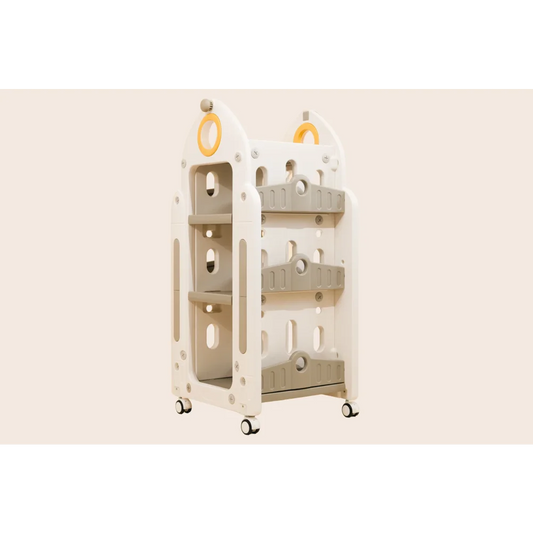
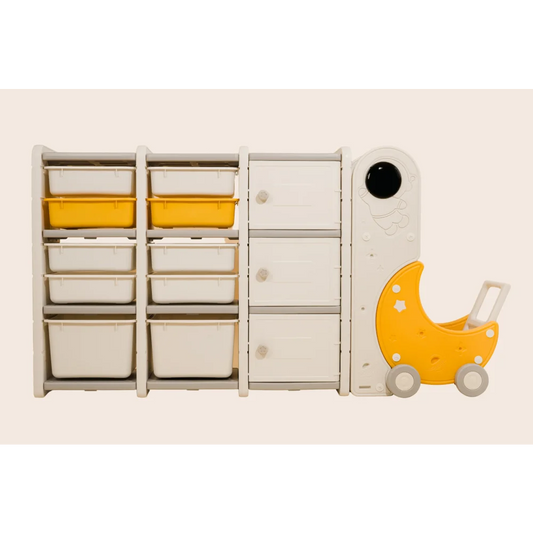
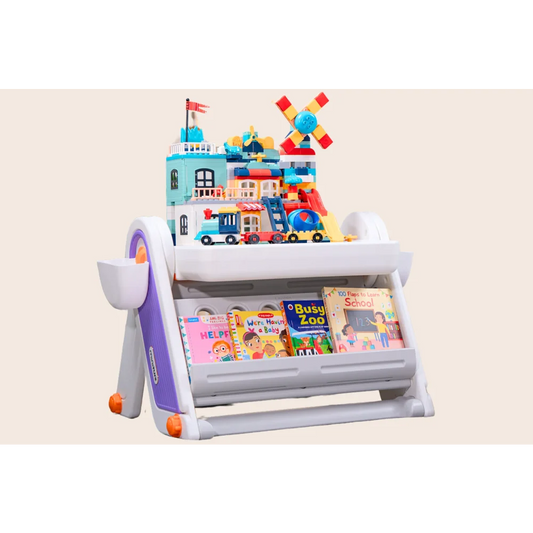
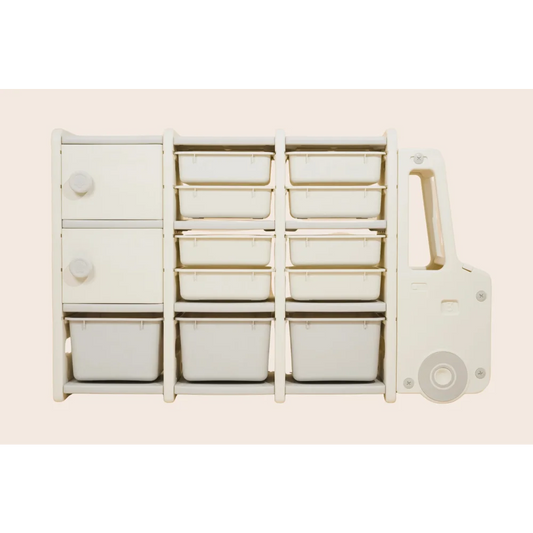
Also, when their belongings have a consistent home and are organised in a manner that is easy for them to access on their own, children know where to go and what to expect. These could be a drawing table, a mat for building blocks, a drawer for toys, and a shelf for books. When everything has a place, children spend less mental energy searching, deciding, or feeling overwhelmed. A calmer space creates a calmer and focused mind.
Equally important is limiting how much is available at one time. Too many choices can
shorten attention span. Fewer, well-chosen options make it easier for a child to stay with an activity for longer.

Why Timing Matters More Than We Think
Even the best setup won’t work if the timing is wrong.
Children focus best when their bodies are settled, not when they are hungry, tired, or
straight after watching a screen.
A bit of outdoor play, a snack, or simply slowing things down often helps children engage
more deeply and stay focused.
Trying to build attention when a child is already overwhelmed or restless often leads to
frustration for both the child and the parent.
Children focus best when their bodies are settled, not when they are hungry, tired, or
straight after watching a screen.
A bit of outdoor play, a snack, or simply slowing things down often helps children engage
more deeply and stay focused.
Trying to build attention when a child is already overwhelmed or restless often leads to
frustration for both the child and the parent.
What You Will Start to Notice
When the setup, toys, and timing come together, attention will not suddenly improve
overnight, but you will start noticing small changes.
overnight, but you will start noticing small changes.
- A child who used to drop everything after two minutes may stay long enough to finish building a small tower.
- A child who repeatedly asked for a screen may start pulling out books or crayons on their own.
- A child who struggled to stay with a game may go back to it later instead of giving up.
Remember, if your child finds it hard to focus, it doesn’t mean they are lazy, restless, or
addicted to screens. It usually means their world is a little too noisy, too fast, or filled with
excess stimulation.
When you slow things down, balance screen time with play time, simplify their environment, and offer open-ended play at the right moments, attention begins to grow - not because you asked them to be attentive, but because you created the right conditions for it to happen.
