




Fine Motor Activities for Toddlers (Build Grip + Focus)
Fine motor skills grow through tiny actions: pinch, pull, squeeze, twist, transfer. You don’t need worksheets—just short, satisfying hand tasks that toddlers enjoy repeating. Start bigger and easier, then slowly make it more precise. Ten minutes a day of fine motor play builds real grip strength and focus over time.
Pick what matches today
If your toddler is 18–24 months:
- Set up: Big items + posting game.
- Do: "In the box!" loop.
- Finish: All done basket.
If your toddler is 2–4 years:
- Set up: Tongs/spoon + small transfers.
- Do: "One by one" mission.
- Finish: Pack and done.
If you want low mess:
- Set up: Stickers + clothespins.
- Do: Peel → stick → clip.
- Finish: Display page.
If you want calm + longer play:
- Set up: Sensory bin + one tool.
- Do: Transfer + "find and park."
- Finish: Scoop back game.
If your child hates "learning" tasks:
- Set up: Make it a rescue/delivery mission.
- Do: "Deliver 10 pom-poms."
- Finish: Celebrate the mission.
Activity ideas (fine motor)
- Sticker peel + stick: Pinch strength practice disguised as art.
- Clothespin "feeding" game: Clip clothespins onto a box or plate edge.
- Pom-pom transfer: Spoon or tongs from one cup to another.
- Playdough pinch + roll "snakes": Squeeze, roll, and shape — builds hand strength.
- Threading: Big beads or large pasta on a lace or string.
- Tear paper + paste: Rip strips and stick them down — grip + coordination.
- With Miniture — Mini Sensory Kit: Tools + textures for hand control practice.
- With Miniture — Kinetic Sand: Squeeze, press, and shape for calm fine motor play.
- With Miniture — FlexDesk Sensory Bin mode: Keep fine motor activities contained and easy to reset.
Best Miniture setup for fine motor play
- Best for tools + textures: The Ultimate Sensory Kit — scoops, tongs, and sensory materials designed for toddler hand practice.
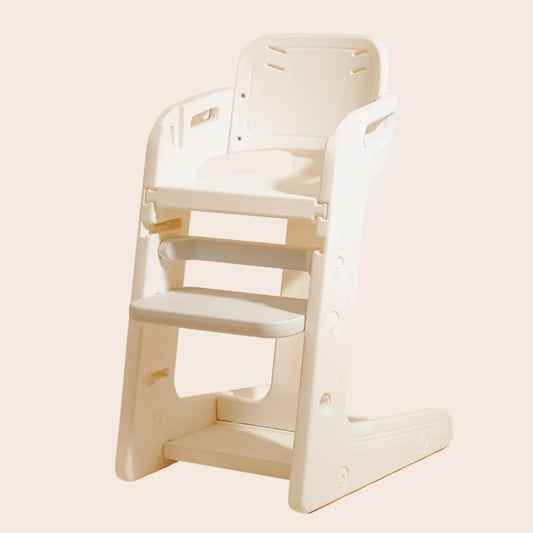
- Best as a daily station: The FlexDesk 6-in-1 — use Sensory Bin mode for transfers, Study Table mode for stickers and threading, Whiteboard for drawing grip practice.
FAQs
How often should we do fine motor activities?
Even 5–10 minutes a day helps — consistency matters most.
What's the easiest fine motor activity?
Sticker peeling. Simple and surprisingly powerful.
My child gets frustrated — what do I do?
Make it easier: bigger items, fewer steps, shorter time.
Does fine motor help with writing later?
Yes — hand strength and control are the foundation for pencil skills.
What's the calmest fine motor activity?
Sensory transfer (scoop, pour, tongs) in a bin.